
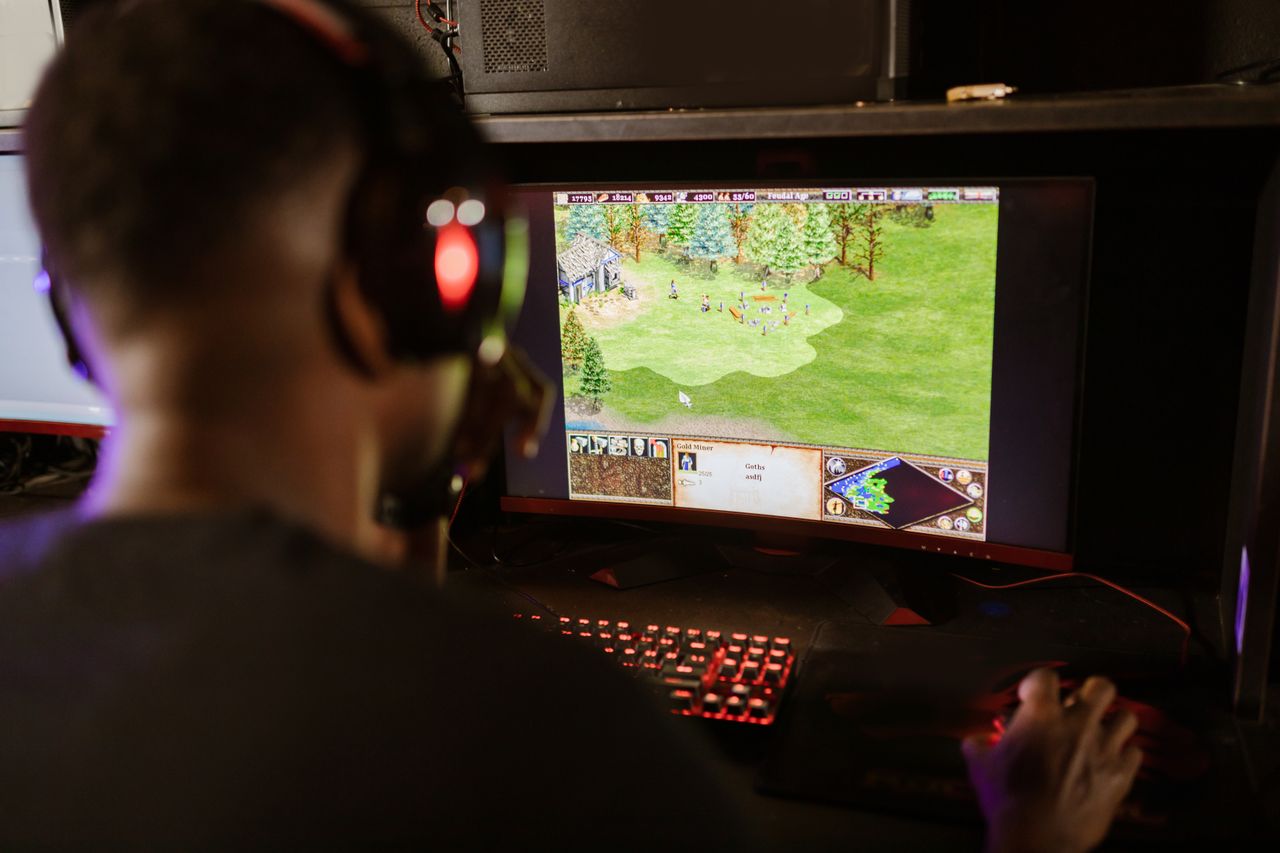
GameStop remains far more than a retail destination for video game enthusiasts. It serves as a cultural hub where collectors, casual players and hardcore gamers converge to celebrate their shared passion for interactive entertainment. Walking into a store offers an experience that extends beyond simply purchasing the latest release or picking up a pre-owned title. The space functions as genuine gathering place where conversations about upcoming releases, favorite franchises and gaming nostalgia happen naturally between strangers who share common language.
The Evolution of Gaming Retail
Over the past two decades, the gaming industry has transformed dramatically. Console generations have come and gone, graphics have become photorealistic and online multiplayer has reshaped how people play together. Throughout this evolution, the retail landscape adapted to reflect these shifts. Modern stores stock everything from the latest AAA releases to indie gems, retro cartridges for classic systems and exclusive collector’s editions that command premium prices among serious fans. This diversity makes retail gaming destinations places where someone might find exactly what they’re searching for, whether that’s a day-one release or a long-out-of-print PlayStation 2 classic gathering dust in bargain bins. Staff members maintain genuine expertise about catalog depth that purely digital storefronts struggle to replicate.
Console Communities and Identity

Players often identify with their preferred gaming platform. Some pledged allegiance to Xbox, others to PlayStation and a dedicated segment keeps Nintendo systems alive and thriving on GameStop. Retail gaming spaces cater to all these communities by stocking accessories, games and merchandise from every major manufacturer. The recognition that gaming isn’t just a solitary activity, it’s part of someone’s identity, drives purchasing decisions and brand loyalty. Walking around store aisles, you’ll spot team jerseys, controller skins, headset stands and charging docks that reflect the pride gamers take in their chosen ecosystem. Merchandise variety signals respect for all gaming preferences, not just the market-leading console.
The Psychology of Pre-Orders and Exclusives
One reason players keep returning to physical retail is the allure of exclusive bonuses tied to pre-orders. Limited edition artwork, early access codes and bonus in-game items create urgency that purely digital stores struggle to replicate. GameStop leverages this by offering pre-order incentives that collectors genuinely value. A player might secure a unique helmet skin for their favorite multiplayer shooter or snag a poster and steelbook case that will never appear anywhere else. These tangible rewards trigger the same collecting instinct that makes vintage game cartridges command hundreds of dollars on secondary markets. The exclusivity drives genuine engagement beyond simple transaction completion, creating emotional investment in the purchase.
Building Community Through Events and Knowledge
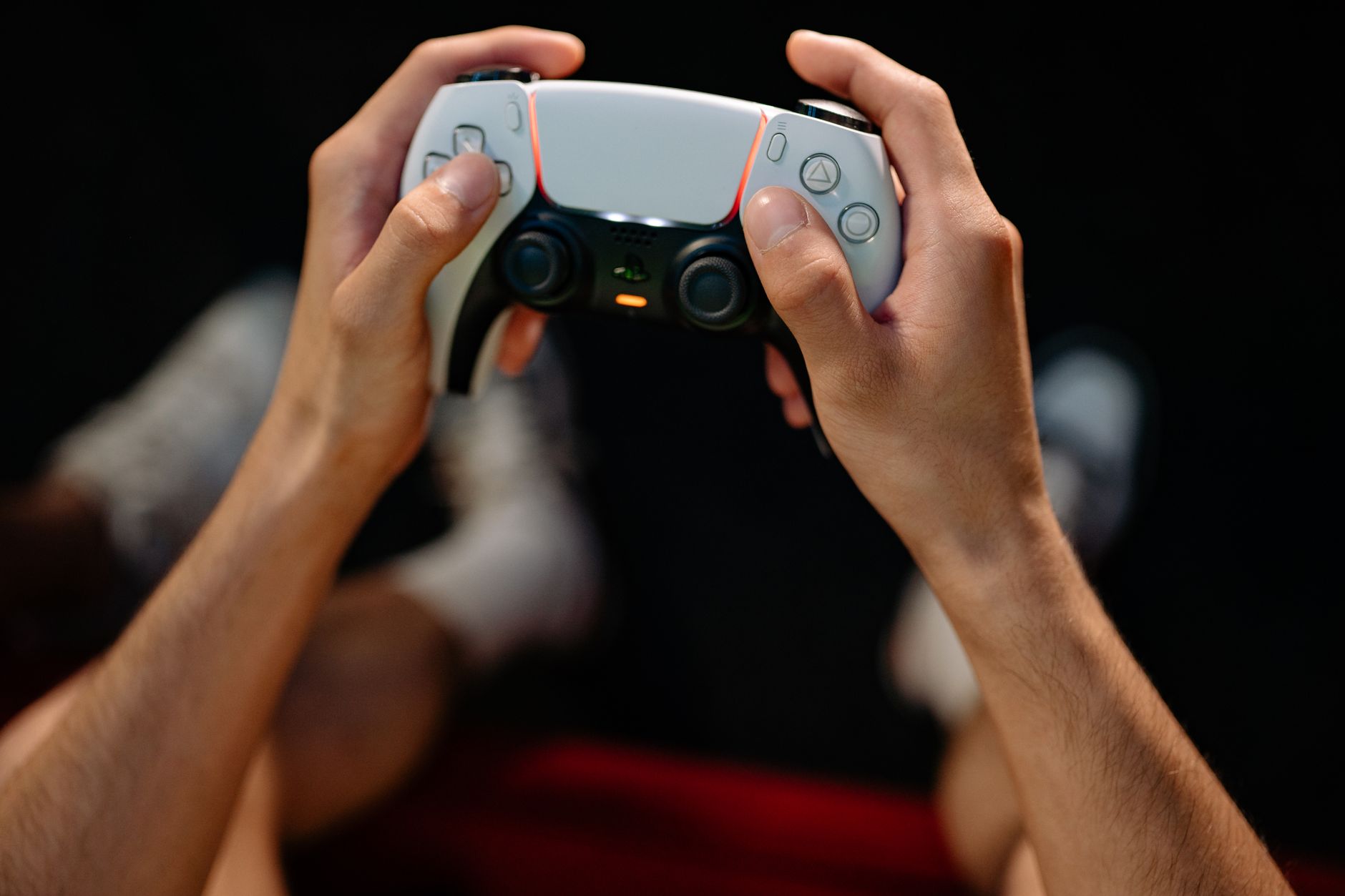
Retail gaming spaces serve an educational function that shouldn’t be underestimated. Store staff often possess deep knowledge about gaming history, upcoming releases and niche franchises. They can recommend hidden gems to casual players and engage in genuine conversation about new titles with enthusiasts. GameStop locations frequently host launch events, tournament competitions and collector meetups that transform the store into a gathering space. These events build social bonds within the gaming community and provide experiences that digital-only competitors cannot offer. A teenager attending their first midnight launch release with fellow gamers creates memories that influence their brand loyalty for years. The community aspect extends friendships beyond screens into shared physical space where strangers become familiar faces.
The Trade-In Economy and Secondary Markets
Physical games and hardware create a secondary market that digital licenses cannot replicate. The ability to trade in last season’s games toward next season’s releases offers flexibility and extends purchasing power for budget-conscious players. Retail chains facilitate this ecosystem by maintaining sophisticated systems for valuing used inventory. This model means a player who finishes a 40-hour adventure can immediately fund their next purchase, creating a virtuous cycle of engagement that differs fundamentally from digital libraries that remain locked to individual accounts. The trade-in value proposition makes gaming more economically accessible across income levels, enabling younger players and collectors on limited budgets to participate fully.
Why Physical Retail Endures
- Collector’s editions with physical artwork, steelbooks and exclusive merchandise remain highly desirable despite digital distribution.
- Community events and staff expertise create experiences that purely online retailers cannot deliver to customers.
- Pre-order bonuses and exclusive items drive engagement and create social currency among player groups.
- The secondary market for used games extends accessibility to budget-conscious players and casual enthusiasts.
- Midnight launches and tournaments transform retail spaces into gathering points for friendships and gaming culture.
As the gaming industry continues to evolve, GameStop demonstrates that physical retail retains genuine value within entertainment culture. The store serves as more than a transactional venue, it functions as a community anchor where the shared language of gaming creates belonging and connection among diverse players. These spaces provide something that algorithms and digital distribution cannot the human element of shared passion, in-person discovery and real community formation built around enthusiasm for interactive entertainment.
